My commitment to protecting families and children is shaped by lived experience and reinforced through years of frontline work in shelters and community-based social services. Over time, I have witnessed how quickly a family’s stability can unravel—and how often that unraveling is linked not to a lack of love or effort, but to the absence of information, preparation, and protection.
While working in a community service organization supporting marginalized individuals, I once worked closely with an Indigenous grandmother who was raising her five grandchildren, all under the age of fifteen. One morning, after I had finished a client call, she came into my office visibly emotional. She explained that her grandchildren had grown attached to me because they felt safe, seen, and cared for—and that it reminded her of her daughter.
Her daughter, she shared, had been killed by her husband. Overnight, the grandchildren lost their mother, their home, and their sense of security. The family structure collapsed, and the grandmother suddenly became the sole caregiver. What stayed with me most was not only her grief, but her quiet reflection that many of the conflicts her daughter faced had been rooted in financial stress and a lack of support. She spoke without blame—only with sorrow and the realization that access to financial literacy, resources, and protection might have altered the course of an entire family.
In another experience, I supported a woman in her forties who was struggling with profound depression. Over tea, she shared that she had once been a university professor. After losing her husband to cancer, grief overwhelmed her mental health, making it impossible to continue working. Her savings were depleted, employment insurance ended, and she eventually lost her home. Each loss compounded the next—financial security, independence, and dignity.
What struck me was not only her story, but how unprepared she had been for the financial consequences of loss. There was no protection plan in place. No income buffer during illness. No clear understanding of where to turn for support in time. With guidance and referrals, she was eventually connected to public resources and counseling services and began rebuilding her life with dignity—but only after enduring unnecessary hardship.
These experiences revealed a difficult truth: many families do not fail because they lack resilience or commitment. They struggle because they lack access—to education, to resources, and to protective planning. Financial stress remains one of the most common contributors to family conflict, instability, and long-term harm to children.
This is why education matters. Understanding protection planning, knowing what resources exist, and preparing for life’s uncertainties can prevent families from reaching crisis in the first place. Prevention is not fear-based; it is compassionate, practical, and empowering.
Protecting families is not optional. It is preventive care. It preserves dignity, supports stability, and ensures that children are not forced to carry the weight of adult crises. This belief continues to guide my work and shapes how I advocate, educate, and support families—with empathy, respect, and prevention at the center of everything I do.
About the Author
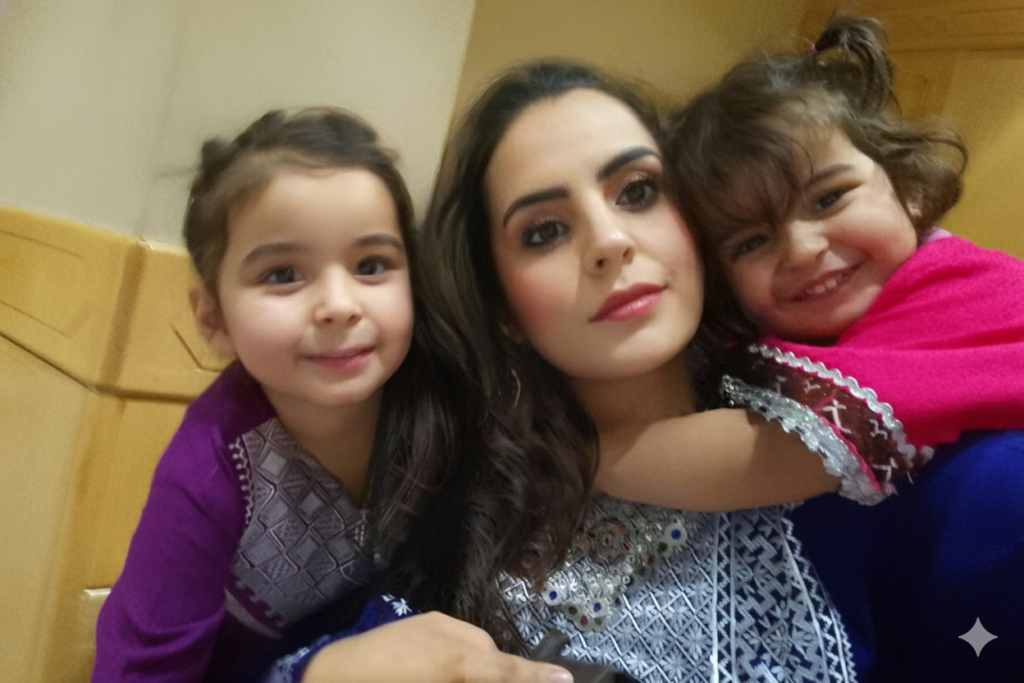
Fareshta Ali Bik is an advocate, educator, and collaborating LLQP student with over a decade of experience supporting families and children through community-based social services. She holds a Bachelor’s degree in Child Studies from Mount Royal University and has worked extensively with marginalized and vulnerable populations. As a mother of two, Fareshta is deeply committed to promoting financial awareness, protection planning, and preventive education as essential tools for family stability and long-term well-being.