Build confidence through everyday conversations about spending, saving, protection and choice.
Make money discussable
Children do not need access to every adult financial detail to begin learning. They can benefit from a calm explanation of why a family makes choices: some money supports everyday needs, some prepares for future goals and some can be enjoyed now.
The aim is not to make children worry about household security. It is to help them ask questions, understand trade-offs and see that money decisions can be discussed rather than avoided. Use age-appropriate examples and avoid making a child responsible for adult financial stress.
Connect small habits to visible goals
A younger child can compare prices or save toward a modest purchase. An older child can help plan the cost of an activity or identify recurring charges. A teenager can practise reading a statement and distinguishing a balance from an available credit limit.
Saving also introduces compounding. When interest is added to a balance and later earns interest itself, growth can build over time. FCAC explains that the interest rate and compounding frequency affect the result. Explain the mechanism before showing a dramatic growth chart. [2]
Discuss education savings accurately
An RESP is a registered education savings arrangement, not a type of life insurance. For an eligible beneficiary, the basic Canada Education Savings Grant generally adds 20% of the first $2,500 of eligible annual contributions, or $500. The combined lifetime CESG maximum is $7,200 per beneficiary. Eligibility, carry-forward provisions and special age rules must be considered. [3]
Additional grants may be available depending on family circumstances. Before opening or transferring a plan, review costs, investment options, withdrawal conditions and what happens if education plans change. A grant is valuable, but it does not make every RESP contract identical.
Explain protection without fear
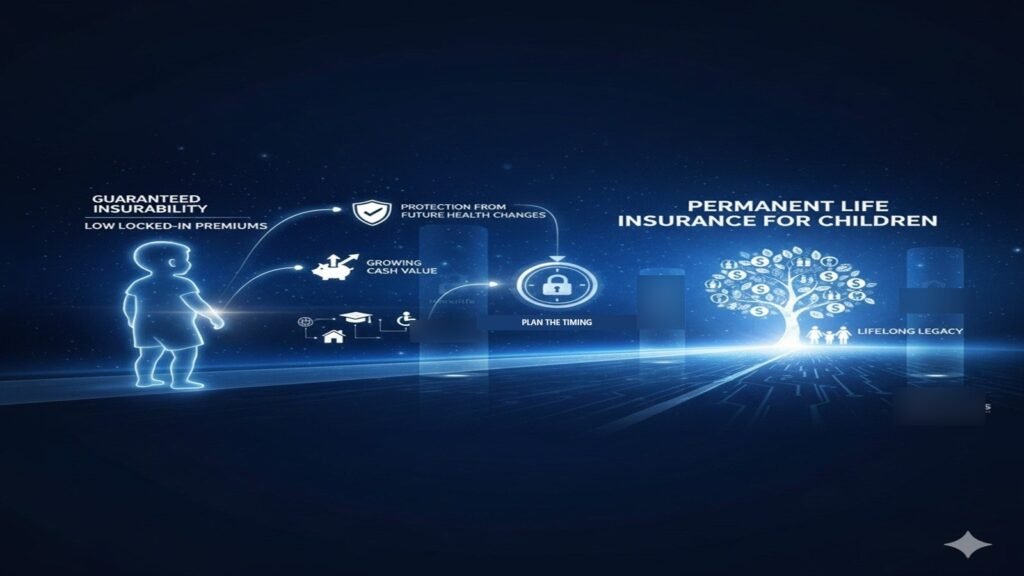
Life insurance can be described as a way adults prepare financially for the effect of a death. Benefits may help replace income, pay debts and support dependants. The discussion should focus on care and preparation rather than suggesting that purchasing a policy guarantees a child's future. [1]
Parents should distinguish protecting the adults who support the household from buying insurance on a child. They meet different needs. A child's policy is not a substitute for adequate parental coverage, accessible savings or an education-savings strategy.
Create a practical family routine
Choose a small recurring conversation: a savings update, a comparison before a purchase or a review of a family goal. Let children explain their reasoning. When a choice does not work out, discuss what changed rather than treating the mistake as a character flaw.
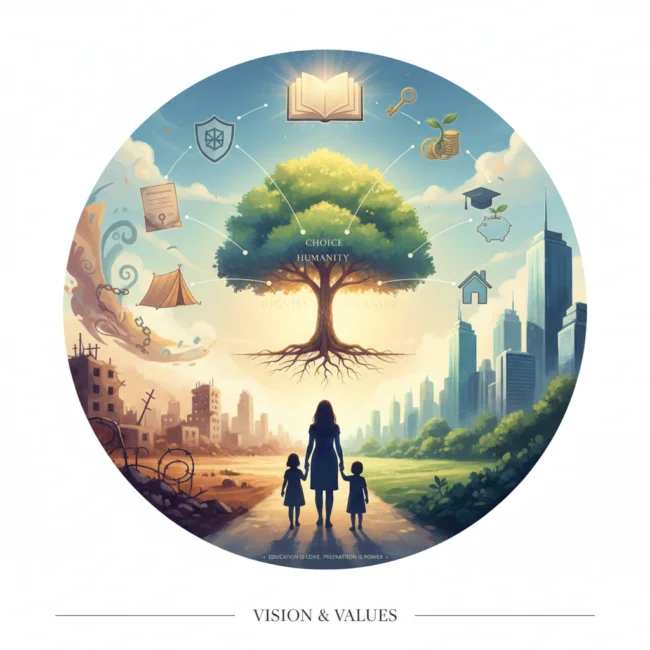
Financial wisdom is not a promise that life will be predictable. It is the ability to make thoughtful choices, understand commitments and seek help when a decision is unfamiliar. Those habits can become part of a family's lasting legacy.
Important information and disclaimer
General family financial education only. RESP grants and withdrawals depend on eligibility and plan rules; grant amounts are not investment returns. No insurance or savings product is recommended for every child or family. This article is for general information for a Canadian audience and is not individualized insurance, investment, tax, legal or accounting advice. It is not an offer or solicitation. Suitability depends on personal circumstances, affordability and objectives. Contracts, enacted legislation and applicable provincial rules prevail over summaries. Examples are illustrative; non-guaranteed values are not promises. Information was checked against the sources available on November 22, 2026 and may change. Consult appropriately licensed or qualified professionals before acting.
Sources
- Financial Consumer Agency of Canada: Life insurance
- Financial Consumer Agency of Canada: Savings accounts and compound interest
- Government of Canada: Education savings amounts and grants
Sources reviewed November 22, 2026.